PFP Page 37



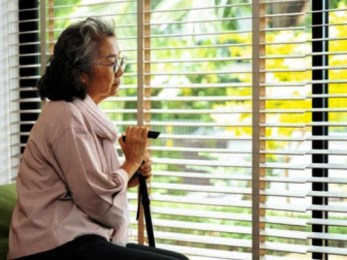
If you or
a friend has a
diagnosis of dementia, you will probably have questions about what it means,
what to do and who can help – both in the short term and in planning for the
future.
The most important thing to
understand is that help is available. Whether you’re living in your own home
or in an aged care home, there are aged care services that specialise in
helping people with dementia.
There are a number of different types of dementia. Dementia is a condition (a group of related symptoms) that is associated with an ongoing decline of the brain and its abilities, including:
 memory
Usually, dementia occurs in people
who are aged 65 or over althopugh it can occur at
a younger age and even in children. The older you get, the more likely you are to
develop this condition. Around one in four people living in Australia over
85 years have dementia.
The most common type of dementia is
Alzheimer’s disease. It accounts for between 50% and 70% of all types of
dementia. Alzheimer’s disease is a degenerative condition that affects the
brain. As brain cells die, the substance of the brain shrinks causing
certain information to no longer be recalled or understood.
Many people worry that forgetting
things might indicate dementia. It is normal to occasionally forget
appointments or a friend’s phone number, but memory loss associated with
dementia will most likely be persistent and progressive, not just
occasional.
You may notice changes in the way
that you communicate with your friend. For example, they may
find it hard to find a word, speak fluently, understand, write, read or
express emotions. They may also lose normal social conventions of
conversation, for example ignoring what you’re saying or interrupting you.
When communicating with someone with
dementia it’s important to:
check their hearing and eyesight to make
sure that this isn’t the source of the problem
remember that people retain their
feelings and emotions even though they may not understand what you’re saying
stay calm, allow time for them to
understand, use short, simple sentences and help orientate them by
describing what you’re about to do, who is about to visit and their
relationship with this person
use positive body language and
touch, as this forms a large part of communication; and
Try not to
Research on both the cause and
treatment of anxiety in older adults, lags behind research in other mental
conditions, such as depression and Alzheimer's. Until recently, anxiety
disorders were believed to decline with age. But now experts are beginning
to recognize that ageing and anxiety are not mutually exclusive: anxiety is
as common in the old as in the young, although how and when it appears is
distinctly different in older adults.
Anxiety disorders in the elderly
population are real and treatable, just as they are in younger people.
Another commonality between old and young is the high incidence of
depression with anxiety. Depression and anxiety go together in the elderly,
as they do in the young, with almost half of those with major depression
also meeting the criteria for anxiety, and about one-quarter of those with
anxiety meeting criteria for major depression. As with younger persons,
being a woman and having less formal education are risk factors for anxiety
in older adults.
Recognizing an anxiety disorder in an older friend poses several challenges. Ageing brings with it a higher prevalence of certain medical conditions, realistic concern about physical problems, and a higher use of prescription medications. As a result, separating a medical condition from physical symptoms of an anxiety disorder is more complicated in the older adult. Diagnosing anxiety in individuals with dementia can be difficult, too: agitation typical of dementia may be difficult to separate from anxiety; impaired memory may be interpreted as a sign of anxiety or dementia, and fears may be excessive or realistic depending on the person's situation. If you are in doubt about your own observations of your friend, look at the possibilty of encouraging your friend yo seek more professional support. For example, "Have you thought of talking to your doctor about your concerns?"
Depression is a serious disorder –
far more complex than simply feeling moody or blue. Older people experience
similar symptoms to younger people – but these symptoms often go
unrecognised, misdiagnosed or poorly treated. For example, symptoms such as
loss of sleep, memory, or concentration are mistakenly regarded as being
simply age-related.
Diagnosis is harder too, because
older people often feel more comfortable talking about physical complaints
than acknowledging depression as anything more than sadness. Also, when
depression combines with dementia, there is an added complexity in
diagnosis.
The word depression is often used to
describe the feelings of sadness which all of us experience at some stage of
our lives. It also describes a form of mental illness called
'clinical
depression'.
Because depression is so common, it
is important to understand the difference between unhappiness or sadness in
daily life and the symptoms of clinical depression.
When we’re faced with stress –
caused by the loss of a loved one, or a relationship breakdown, or great
disappointment or frustration, or anything at all – most of us feel unhappy
or sad. But these emotions will usually last only a limited time. They are
not regarded as clinical depression, but as a part of everyday life.
Clinical depression describes not
just one illness but a group of illnesses. In all of them, the person
affected has an excessive or long-term depressed mood, which affects their
life. Clinical depression is often accompanied by feelings of anxiety.
Whatever the symptoms and causes of depression, treatment can be very
effective.
People of all ages, cultures and
backgrounds can experience depression. The symptoms of
depression vary in severity and from person to person. They can range from
feeling irritable to feeling suicidal.
If you are caring for a friend suffering from depression, the good news is that safe and effective treatments are available. But the first step to progress is in recognising the symptoms. These are many and some 17 are listed in the Handbook on page ... .
There is hardly ever just one
specific cause of depression. Some people seem more likely to become
depressed than others. Sometimes depression may happen without an apparent
cause. At other times coping with stressful events may contribute to
becoming depressed. Examples are also given in the
Handbook but might include:
the death of someone you love
an accident or illness
changing accommodation, or
family crises.
Coping with ongoing stress can also
result in depression. Examples of prolonged stress include:
trying to make ends meet on a low
income
being unemployed
being a long-term carer for a
dependent person; or
feeling lonely.
The treatment received by older
people will be the same as for any other age group. Treatment depends on
symptoms, but will take one or more forms.
Psychological interventions help
people understand their thoughts, behaviour and interpersonal relationships.
General supportive counselling
assists in sorting out practical problems and conflicts and helps in the
understanding of the reasons for depression.
Talking with a health professional
in a structured way can help relieve depression. This therapy involves a
choice of one or more psychological therapies. The therapist aims to work on
the way the person reacts to circumstances and relationships.
There is a variety of circumstances
in which an ill person may be diagnosed as needing palliative care. The
person may wish to stay in their own
home. In this case, there are specific palliative
care teams who can visit
their home to carry out their specific roles. The team
will most likely include the medical person who is looking after for
example, the pain level of the ill person. There may be a carer who looks
after the day-to-day functions of the ill person – helping with medications,
providing hygiene care, assisting with diet and nutrition. You, as a
spiritual carer, may be invited to become part of that team.
A person may be admitted to a
hospice where there is 24 hour care for the dying person. An elderly person
may be in aged care, again, where 24 hour assistance is available. In each
case you may be able to provide specialist emotional and spiritual support
while the other members of the team carry out their specific functions. Not
always will other members of the team have the expertise (or the time) to
sit and listen with the dying person and ‘live’ their journey with them.
Peter Hudson provides a list of things that you may be able to do with a person in palliative care that will help provide emotional care. You might like to to look at these in the Handbook on the relevant page.
Prayer for your friend in palliative circumstances can be very helpful and lead to their peace of mind. What might you include in it?
Praise of God, and thanks,
because of the hope of salvation.
Thanks for the many blessings of
life.
Prayer for personal help for the
ill person in their specific circumstances.
Prayer for the help of those who
care for the ill person.
Prayer for the comfort of family
members who are concerned.
Prayer for continued guidance.
Remember to keep your prayers short as the dying friend's attention span could be very limited.
A big section!
We do hope we haven't lost you, but these issues can be very important in older people and your older friends. Again, this page is largely for reference. Please remember that there are only two simple questions in the Statements work page at the end of the Module! If you would like to watch some videos that give further perspectives on these issues, please click on the titles below. The presenters are very qualified and experienced practitioners.
Dementia - Cathy Strachan
Anxiety and depression - Kylee Mingham
Palliative care - Cathy Strachan
