PFP Page 35
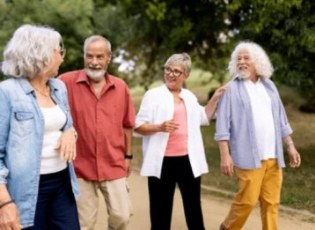



Social, physical, and psychological aspects of ageing
Social
All
humans need connections with others in order to be healthy and happy. The
more involved an ageing person is with their community, family and friends,
the healthier and happier they will be.
Social contacts may be more difficult to arrange
than in the past, but they are no less important.
Often there are alternative ways
for ageing people to take part in activities.
Encourage
your friend to keep up social contacts.
It has become
increasingly recognised that social experience is an important part of
ageing.
There have been two ideas about social
aspects of ageing.
One suggestion
is
that as people become older they want to have
less and less to do with other people. They withdraw from the sort of
contacts they had earlier in their life. Some aspects of this idea are
that
they have fewer and weaker
emotional ties with others

greater likelihood of
developing heart disease and cancer;
adverse changes in body mass
and muscle tone;
failing memory, learning and
ability to change and manage new situations; and,
changes in sensory organs:
touch, hearing, sight, taste and smell are less acute, slower and weaker
to respond and function.
Age brings a natural
deterioration of the body.
The signs that accompany it often reflect the
kind of lifestyle lived in earlier years.
These can include too much sun and sand earlier
can lead to skin cancer, and inadequate exercise and poor
diet can lead to overweight and potential heart failure, dangerously
high cholesterol levels (and consequent stroke), and also diabetes and
possible amputations
There are many other signs of
ageing that are simply the result of the inability of the body to
replace weary or dead cells.
The simple weakening of the immune
system can lead to increased incidence of cancer. One of the most common
kinds of cancer in men is prostate. Some 10,000 men are diagnosed with
prostate cancer every year in Australia;
Older people become physically
smaller;
Older people are slower to move, to
bend, to get up;
They may have impaired sight – they
need more light when they try to read the card you
bring them;
and,
They may have impaired hearing –
they may ask you to repeat what you have just said.
Psychology refers to the mind,
emotions and personality. Immediately below are some general ‘mind’
issues that may relate to an ageing person. There may be:
a sense of shame and disgrace
when some things that have been part and parcel of their life -
neatness, cleanliness – become ‘tatty’
a fear of memory loss (and
embarrassment); and,
